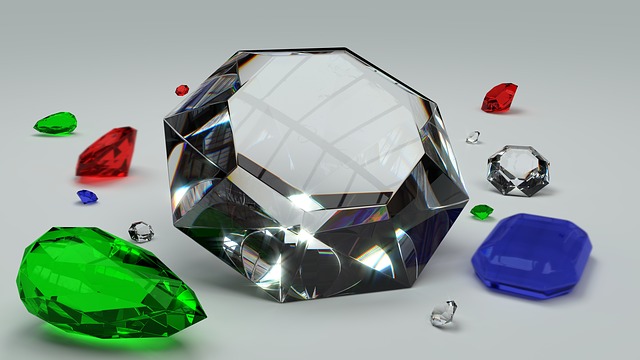
Precious Gems as Investment Assets
More investors are turning to precious gems as a way to diversify their portfolios. Unlike stocks, precious gems like diamonds and rubies are often less volatile and have proven to hold their value over time. As traditional markets show more unpredictability, investors are increasingly interested in the long-term value that gems offer.
Gems have always been a symbol of wealth, but today they are seen as stable assets that can offer returns outside the traditional financial markets. Investors are starting to view these precious stones as more than just luxury items—they’re becoming a serious part of investment portfolios.
Gemstone Market Trends
The gemstone market is experiencing significant growth as consumers continue to seek unique, high-value items. Investors and collectors are drawn to rare, high-quality gems that can appreciate over time. As global interest in gems grows, so does their value.
High-quality diamonds, emeralds, and sapphires are the focus of the current market trends. In particular, stones with exceptional color, clarity, and cut are seeing their value increase, sometimes exponentially. The market for rare gemstones has become an important part of the luxury investment sector, attracting both seasoned investors and newcomers.
Global Impact of Luxury Finance
As the financial landscape shifts, the luxury sector, especially in the world of gems, is becoming an increasingly important area for investment. Wealthy individuals are now placing more emphasis on tangible assets like precious gems, which continue to rise in value.
Financial advisors are also pushing for more diversity in portfolios, and high-end gemstones are seen as a valuable part of that strategy. This shift is bringing attention to the growing trend of luxury as an investment.