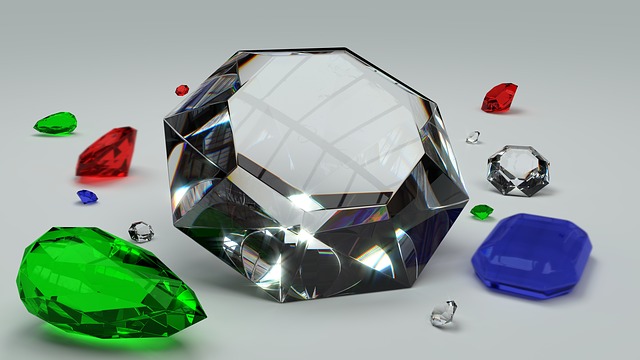
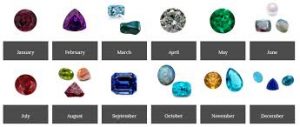
Ancient birthstones originated in Poland in the 16th and 18th century. It was in the year 1912 that the National Association of Jewelers issued an index of modern birthstones. This list was not the same with the ancient list of birthstones because it added names of transparent gems. with this list came about the introduction of mother rings. This would layout the birthstones of a a woman’s offspring. This index is continually being used. Jewelry makers continue to add more selections to this index. Some recent additions include tanzanite, bloodstone and spinel. In some countries like the United States, jewelry makers and some enthusiasts of these gems are free to combine stones that suits them. Selling birthstones is financially promising because people see this as something valuable. Even if birthstones are categorized according to month, people nowadays are free to choose which stone to put in that jewelry. Be it the precious gem diamond or a ruby for a mother ring, one is free to choose from the many stones in the list.
 

Post Author: Nathaniel Joseph

RSS feed: Feed Feed

  • Diamonds, Moissanite, and Cubic Zirconia: Understanding the Financial Differences Between Popular Gemstones
    Gemstones can look remarkably similar while carrying very different prices. A natural diamond, a lab-grown diamond, moissanite, and cubic zirconia may all appear bright and colorless in a jewelry display. However, appearance alone does not determine financial value. Production methods, supply, durability, consumer demand, and resale opportunities all affect what buyers pay and what they […]
  • Precious Gems as Alternative Assets: Where Do They Fit in a Long-Term Financial Plan?
    Diamonds, coloured gemstones, and collectible jewellery have long attracted investors looking to diversify beyond traditional financial markets. While these tangible assets can preserve value over extended periods under the right conditions, they behave very differently from stocks, bonds, mutual funds, or cash investments. Their prices are influenced by rarity, quality, collector demand, and broader economic […]
This website has no cookies. It collects only basic data. More at the Privacy Policy page.
𐌢