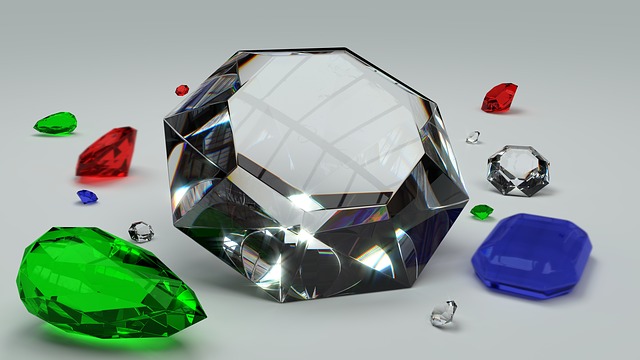
Gemstones can look remarkably similar while carrying very different prices. A natural diamond, a lab-grown diamond, moissanite, and cubic zirconia may all appear bright and colorless in a jewelry display. However, appearance alone does not determine financial value. Production methods, supply, durability, consumer demand, and resale opportunities all affect what buyers pay and what they might recover later.
These differences are especially relevant when comparing gemstone jewelry across different price ranges. For example, Aqua Gold’s bracelet collection provides a useful context for examining how gemstone choices influence the positioning of tennis bracelets. Buyers can consider appearance, materials, and overall cost when deciding which jewelry suits their needs. Understanding the financial differences between gemstones helps separate personal preferences from expectations about long-term value.
Why Do Natural Diamonds Command Higher Prices?
Natural diamonds form deep underground through geological processes that take millions or billions of years. Their limited natural supply, combined with mining, sorting, cutting, and distribution costs, influences retail pricing.
The Gemological Institute of America (GIA) explains that diamond quality is commonly evaluated through four characteristics: cut, color, clarity, and carat weight. These factors help explain why two natural diamonds of similar size can have significantly different prices.
However, a higher purchase price does not guarantee future appreciation. Natural diamonds can attract resale buyers, but the amount recovered depends on their characteristics, market conditions, and available buyers. Retail prices also include costs that may not be recovered when jewelry is sold.
Lab-Grown Diamonds: Identical Material, Different Economics
Lab-grown diamonds have essentially the same chemical composition, crystal structure, and optical properties as natural diamonds. The main distinction is their origin. Manufacturers create them using controlled processes rather than extracting them from the earth.
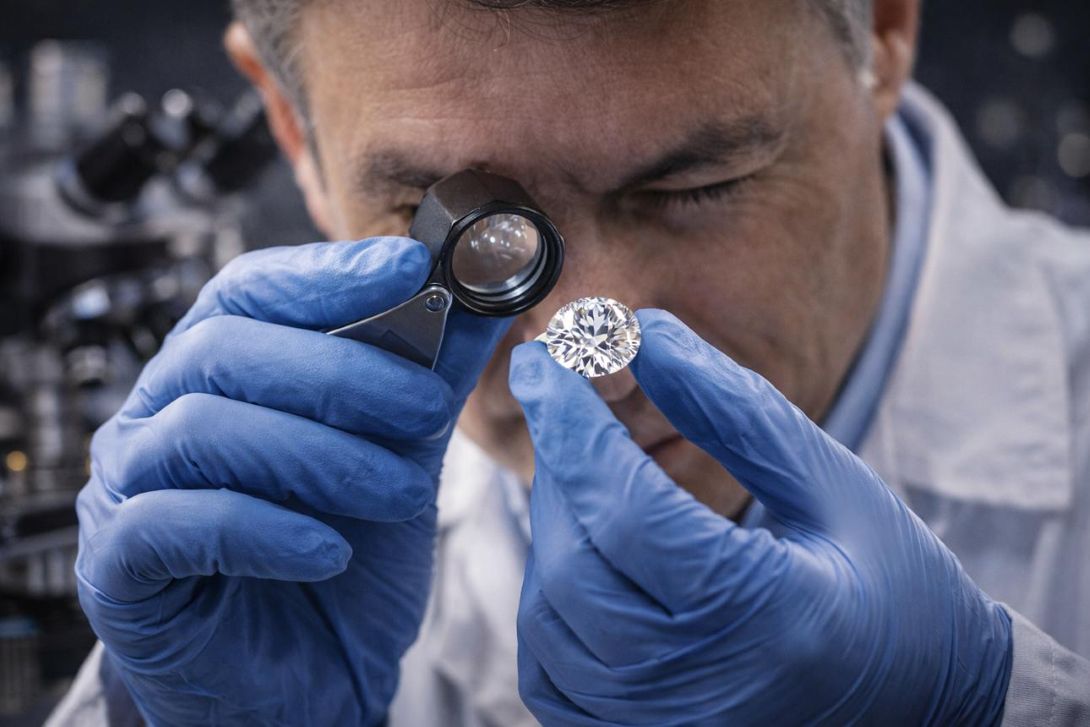
Research from GIA confirms that visual inspection alone cannot reliably distinguish natural diamonds from their laboratory-grown counterparts. Specialized testing is often necessary to determine their origin.
Yet identical physical properties do not produce identical market prices. Laboratory production allows manufacturers to increase supply, while advances in technology can reduce manufacturing costs.
Industry analyst Edahn Golan reported that wholesale prices for lab-grown diamonds declined during 2025. This illustrates how expanding production and changing market conditions can affect their commercial value.
For buyers, lower retail prices can provide access to larger diamonds within a fixed budget. However, continuing changes in wholesale prices introduce uncertainty about future resale value. Their physical durability should therefore be considered separately from their financial performance.
Moissanite: When Durability Matters More Than Rarity
Moissanite is a gemstone composed of silicon carbide. Most moissanite used in modern jewelry is laboratory-grown, making it available without relying on the limited supply of naturally occurring stones.
Findings from GIA show that moissanite has a Mohs hardness rating of approximately 9.25, compared with diamond’s rating of 10. This makes it highly resistant to scratching and suitable for jewelry intended for regular wear.
Moissanite also disperses light differently from diamond, producing stronger flashes of color. This visual characteristic can appeal to buyers who prioritize brilliance over the geological origin of a gemstone.
Financially, moissanite offers a different proposition. Its production and availability generally support lower retail prices than comparable natural diamonds. However, its limited secondary market means buyers should not assume they can recover their original purchase costs.
Where Does Cubic Zirconia Fit Into the Comparison?
Cubic zirconia is a manufactured gemstone composed of zirconium dioxide. It is widely used as a diamond substitute because it can be produced with a colorless appearance at a relatively low cost.
The GIA assigns cubic zirconia a Mohs hardness rating of approximately 8.5. Although durable enough for many jewelry applications, it is more susceptible to scratches and surface wear than diamond or moissanite.
Its low manufacturing cost allows retailers to offer decorative jewelry at accessible prices. However, the material’s widespread availability limits its potential resale value. Cubic zirconia jewelry is generally purchased for appearance and affordability rather than financial appreciation.
What Changes When Gemstones Become Finished Jewelry?
Gemstone prices represent only part of a finished jewelry product’s retail cost. Metal selection, craftsmanship, setting complexity, design, and retail expenses also influence the final price.
For example, the tennis bracelet range discussed earlier includes moissanite set in rhodium-plated sterling silver and cubic zirconia options using plated base metal. These differences demonstrate how gemstone and metal choices can influence product pricing. Retailers must also consider inventory costs and available financing options for jewelry retailers when deciding which gemstones to stock and how to price their finished jewelry.
When comparing bracelets, buyers should examine stone specifications, metal composition, construction quality, and warranty terms rather than relying solely on appearance.
Why Visual Similarity Does Not Guarantee Financial Value
Two gemstones can produce a similar visual effect while having different production costs, durability, and resale opportunities. Their value depends on more than how closely they resemble a natural diamond.
The Federal Trade Commission (FTC) advises consumers to distinguish natural gemstones, laboratory-created gemstones, and imitation materials. Accurate descriptions help buyers understand what they are purchasing and avoid confusing visual similarity with material equivalence.
Buyers should also distinguish replacement value from resale value. An insurance appraisal estimates replacement costs, while resale value reflects what another buyer is willing to pay. Neither amount guarantees a financial return.
Personal Enjoyment Versus Investment Expectations
Choosing between natural diamonds, lab-grown diamonds, moissanite, and cubic zirconia ultimately depends on the purpose of the purchase.
Natural diamonds offer geological rarity and an established resale market. Laboratory-grown diamonds provide comparable physical properties at different price points. Moissanite emphasizes durability and brilliance, while cubic zirconia offers an affordable decorative alternative.
For jewelry purchased primarily for enjoyment, appearance, comfort, and affordability may carry the greatest importance. Buyers seeking financial returns need a different approach. They should examine market demand, resale costs, documentation, and price volatility before treating any gemstone as an investment.
As manufacturing technology and consumer preferences evolve, gemstone pricing may continue to change. Understanding the distinction between personal enjoyment and financial value allows buyers to make decisions based on realistic expectations rather than appearance alone.